For international automotive distributors, fleet managers, and B2B importers, finding a high-margin, street-legal niche vehicle is the ultimate growth lever. Right now, the demand for high-efficiency, small-displacement Miniature Gasoline Cars is surging globally—especially for urban delivery, tourist resorts, large-scale industrial facility patrols, and budget-conscious commuters.
However, in B2B automotive trading, the biggest barrier to entry isn’t price; it’s homologation and compliance.
If you are expanding your dealership’s portfolio, partnering with a Chinese manufacturer that understands international regulatory frameworks is critical. Today, we look inside a premier Chinese automotive plant manufacturing fully Euro-certified mini cars to show how fleet-level engineering and strict QC protect your B2B investment.
1. Full EU Compliance for Hassle-Free B2B Importation (EEC & COC)
From a B2B standpoint, the single most valuable asset of these mini gasoline cars is their established compliance framework. These vehicles are engineered from the ground up to meet strict European standards, boasting Whole Vehicle Type Approval (WVTA) or EEC certification.
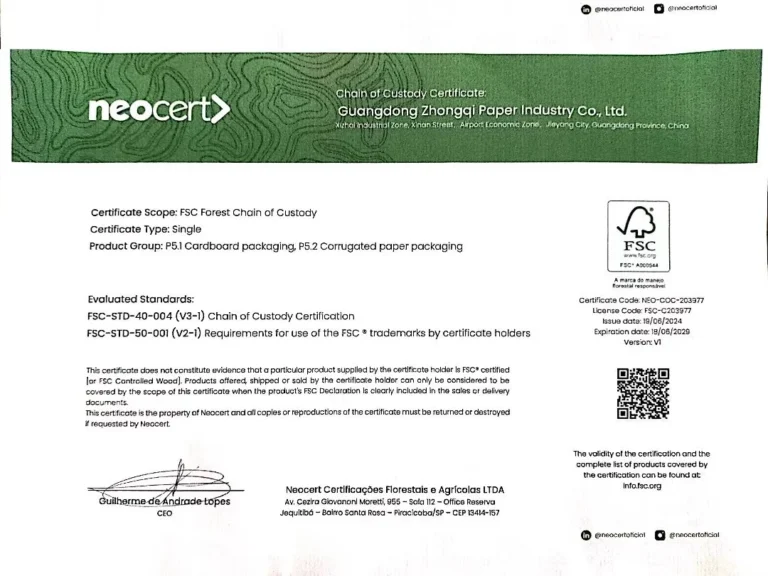
For wholesale buyers, this means the vehicle comes with Certificate of Conformity (COC) paperwork. This removes the compliance risk entirely, allowing your business to clear customs efficiently and secure local street-legal registration across European nations without expensive secondary testing.
2. High-Precision Assembly Lines for Commercial Fleets
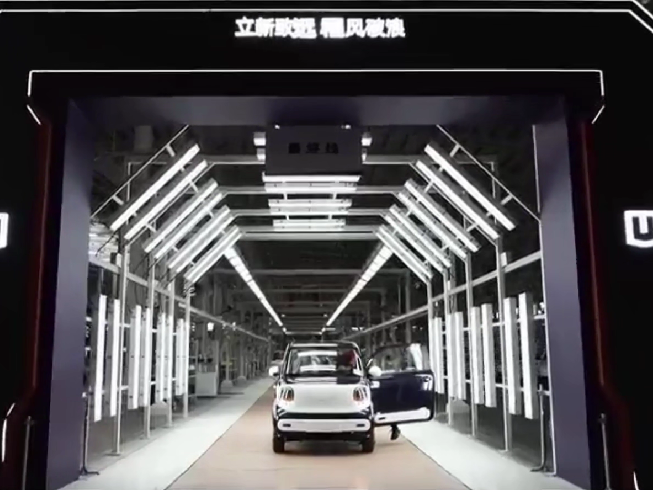
Automotive distribution relies on zero-defect reliability to minimize warranty claims and protect your local brand reputation. Inside the modern smart facility, the assembly of the small-displacement petrol engines, transmissions, and mechanical linkages is highly automated.
Operators utilize digital torque-tracking systems to log the assembly data of every single unit. This enterprise-grade consistency ensures that whether you order a single container sample or a fleet of 500 units, every vehicle delivers identical, low-maintenance mechanical reliability.
3. Rigorous Multi-Point Diagnostic and Dyno Calibration
Before any wholesale order is cleared for port delivery, each vehicle undergoes an automated battery of simulated road testing to ensure mechanical alignment:
- Digital Chassis Alignment: Automated systems calibrate wheel geometry to guarantee long-term tire life and stable handling at top cruising speeds.
- Brake & Powertrain Simulation: Vehicles are tested on specialized roller beds where computerized sensors measure real-world braking efficiency and drivetrain shifting under load.
- OBD & Emissions Verification: Technicians interface directly with the vehicle’s On-Board Diagnostics to calibrate fuel injection and ensure emissions perfectly comply with regional environmental directives.
4. Severe Weather Resilience: The 360° Typhoon Test
To guarantee that your imported fleet can withstand regional climate variations—from the heavy rains of Northern Europe to tropical downpours—every vehicle undergoes a strict Rainfall Testing Chamber audit.
High-pressure nozzles blast the mini car with torrential water from every angle. Testers check the high-grade rubber seals to ensure that the engine bay, fuel cell, and passenger cabin remain 100% waterproof. This level of quality control prevents electrical failures and structural rust, drastically reducing your long-term fleet maintenance costs.
Looking to Secure a Reliable Mini Car Manufacturing Partner in China?
Navigating B2B automotive supply chains requires strict technical vetting. At YDsourcing, we specialize in on-the-ground factory audits for bulk buyers. We inspect manufacturing infrastructure, verify international certification authenticity, and oversee pre-shipment quality control to ensure your bulk automotive orders arrive exactly to specification.